How long does it take to train a dog? That's a common question for people with a new dog, whether they have a puppy or an adult adoptee.
When the newness of a pup wears off, it's often replaced by a little bit of wondering-or sometimes grumbling-about how long it will be until the new family member becomes as well trained as the previous one: walking nicely on leash, coming instantly when called, not having accidents in the house, and responding to sit, down, stay, leave it, and other behaviors we teach dogs to help them fit into family life.
Can dogs learn everything they need to know in one eight-week puppy kindergarten or basic obedience class? No. That's just a small part of your dog's education.
Given the typical canine lifespan of 10-plus years, it's all too easy to forget that the previous dog didn't come fully loaded but required careful weeks, months and maybe even years of patient, consistent training and reinforcement to become the perfect dog of your memory. If you're asking yourself "How long does it take to train a dog basic cues?" we're here to help with information on factors that influence canine learning and how long it can take to teach particular skills.
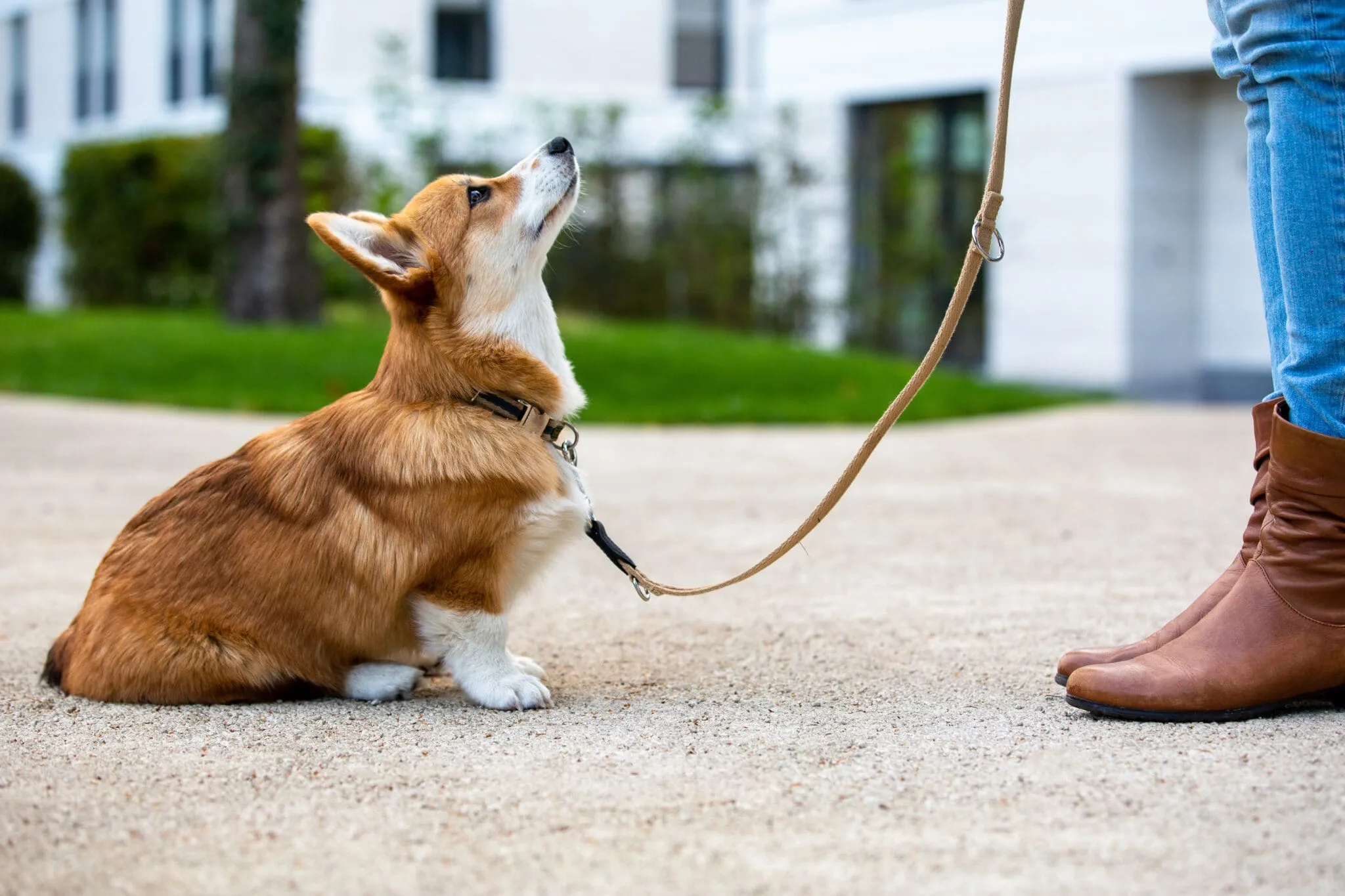
How Learning Starts
It might seem as if neonatal puppies do nothing but eat and sleep, but from birth they are taking in scents and experiencing touch, both of which contribute to their knowledge of their surroundings, even if they can't see or hear yet.
The critical period for learning is when pups are between 3 and 14 weeks old. By three weeks, their eyes and ears have opened and they're mobile, if a little wobbly. They start using their paws and mouths to explore their environment.
With no preconceived notions about vacuums, cats, people in uniforms, or veterinary clinics, it's the perfect time for them to have positive exposure to many different people, places, objects, sounds, surfaces, smells, and other environmental stimuli, known as socialization. With puppies being weaned and going to new homes when they are usually 8 weeks to 12 or more weeks old (later is often better if they're in a situation where they receive a variety of socialization experiences), this type of activity can occur at the breeder's home, in a foster home, or after the pup has come home with you.
Puppies should meet new people and animals and have new experiences multiple times a week rather than meeting the same neighbors and friends and going to the same places all the time. Those encounters and experiences should be so great that your puppy looks forward to anything new.
As puppies grow in experience, their brains grow too. The brain becomes larger and changes shape as its dendrites-specialized brain nerve cell structures that receive and process information-reach out to make connections with other nerve cells. By the time puppies are four months old, their brains are almost fully wired. Almost. Canine brains continue to develop until the dog is about two years old, so even if a pup looks grown-up, they still have a lot to learn, especially about impulse control.

Factors That Influence Learning
Socialization is an important element of learning, but it's not the only one. How quickly your dog learns depends on several key factors:
Maternal care and stress level during pregnancy
Good puppy nutrition
Genetic predisposition
Learning style
Training techniques
A mother dog's stress level can affect the future behavior of her unborn puppies. If they experience high-stress situations before giving birth, their pups may be more anxious or fearful in stressful or unexpected situations. These young dogs can benefit from additional or intensive socialization.
Feeding a high-quality puppy food containing DHA from fish oil has been shown in studies to improve learning ability-cognition, memory, and psychomotor skills-in puppies up to a year old. Puppies eating high-DHA diets appeared to have stronger responses to training.
Breed or mix is important because different breeds have different types of skills and intelligence. That doesn't make certain breeds "smarter" (Border Collies, Poodles, we're looking at you), but it can affect not only how they learn but also how quickly they learn. Here's what to know about certain types of dogs:
Herding, working, and sporting dogs (including Poodles, which originated as water-retrieving dogs) tend to have a reputation for being fast learners.
Some dogs may seem as if they haven't caught on to something, but often they are sitting, watching, and thinking, later demonstrating that they've absorbed the lesson. This type of learning is often seen in hounds and guardian dogs, says veterinarian, breeder and trainer Deb Eldredge, but any dog may learn this way.
Independent dogs tend to have good problem-solving skills. Sometimes that makes it difficult to stay a step ahead of them.
Toy dogs and non-sporting dogs-the latter group being a miscellaneous assortment of unrelated breeds-are just as smart and capable of learning as bigger dogs. Don't neglect training them just because they're small, cute, or lack a discernible skill!
Puppies in general are "sponges," learning things quickly-often the things we don't want them to learn-but they also have short attention spans. Short, sweet training sessions that end on a high note are more effective than long, intensive ones. Rewards help dogs to understand what you want and to be more excited about repeating a particular behavior.
The presence of another dog as a teacher's aide can also be helpful. It's not unusual for dogs to mimic what they see other dogs doing, especially if they see those dogs being rewarded for a behavior. This has frequently worked well in my dog-training life.
The power of instinctive behaviors is a factor, too. Beagles, for instance, have great nose intelligence, but they're probably not going to be very good at herding sheep, says Minnesota dog trainer and Beagle owner Denise Nord.