


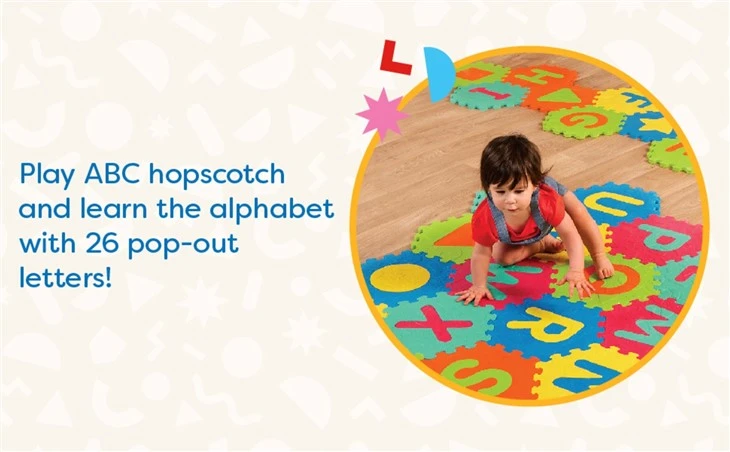

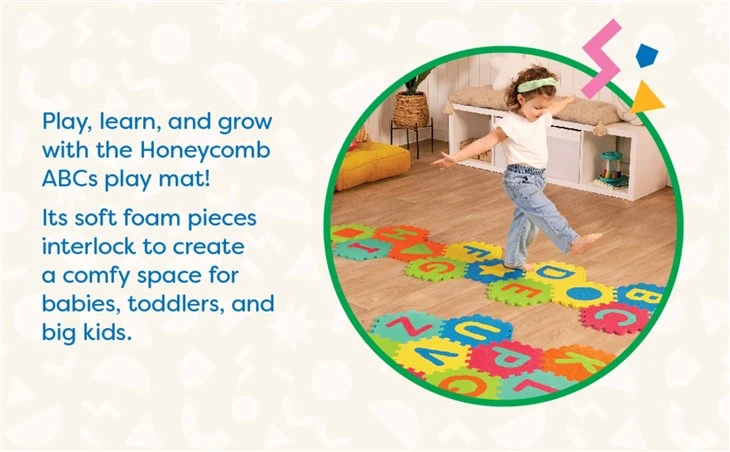

Products Description
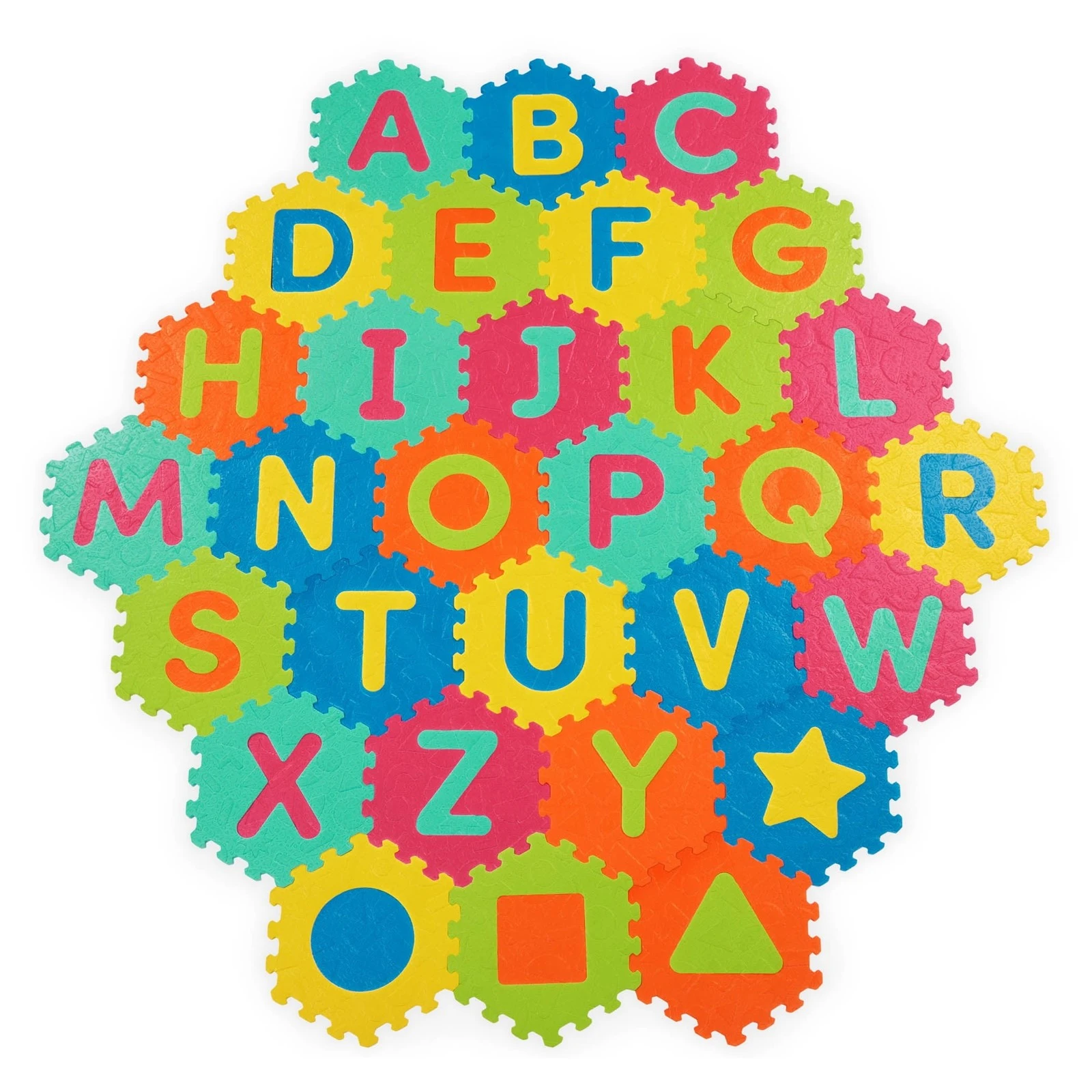
Product details
Item Name: Foam Puzzle Mat
Item number: FM-FPM-14
Material: EVA
Size:30.5*30.5*1 cm
MOQ: 500 Sets
Place of Origin: Fujian, China
Brand Name: Faithmat
Feature: Waterproof, Shockproof, Odorless, Non-Toxic, Easy to clean, Easy assembly
Application: Playroom, nursery, living room, playground
Package: 30 pcs/set; 3 sets/box
Features:
FLEXIBILITY AND ADAPTABILITY: The greatest advantage of the patchwork mat is its high degree of flexibility. It can be freely combined according to the size and shape of the room, whether it is a regular square or an irregular corner, it can be laid perfectly. It is also very easy to adjust the laying area or to replace partially worn mats.
GOOD SAFETY AND CUSHIONING: Patchwork mats are usually made of soft foam material, such as EVA or PE, which has good cushioning properties and can effectively reduce injuries caused by children falling while playing or crawling. Meanwhile, some high-quality mats also have non-slip surfaces, further enhancing safety.
EASY TO CLEAN AND MAINTAIN: The surface of splicing mats is usually waterproof and stain-resistant, and daily cleaning can be done by wiping with a damp cloth. If it is heavily soiled, it can be disassembled and cleaned separately, which is very convenient.
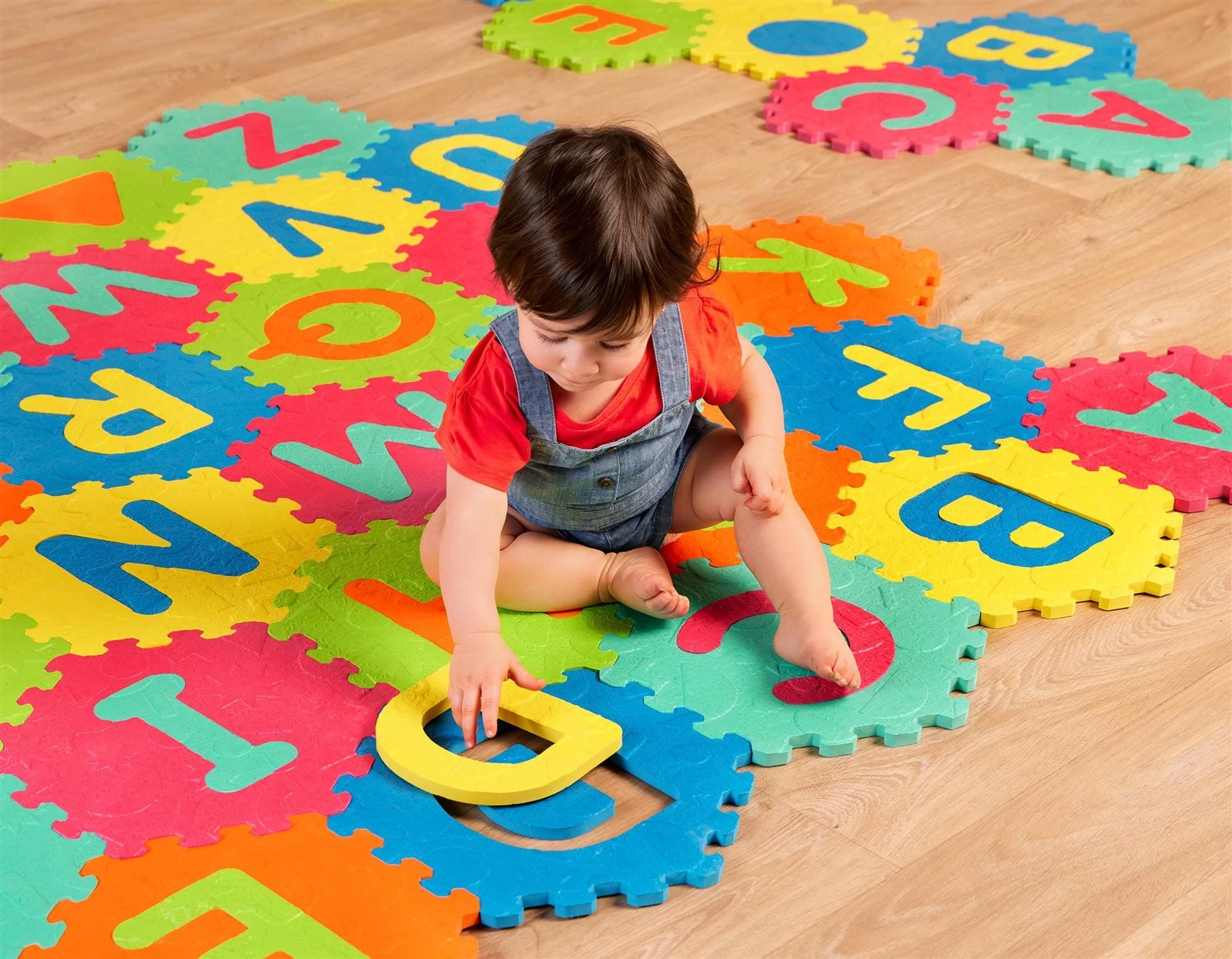
RICH COLOURS AND PATTERNS: Splicing mats have a variety of colours and patterns to choose from, according to the home style and personal preferences. Some mats are also designed with educational patterns, such as letters, numbers and shapes, which can help children learn while playing.
PORTABILITY AND EASY STORAGE: The patchwork mats can be easily disassembled and assembled for portability and storage. When not in use, they can be disassembled into smaller pieces to save space.
What is pain?
Our brains are the key body part to feeling pain. There are nerve fibers that are connected all over our bodies and these fibers carry signals to and from the brain. These signals can be more or less intense. When there are fewer pain signals or less intense signals, we feel less pain. How a child experiences pain is impacted by many different things including but not limited to: their past experiences of pain, genetics, feelings, thoughts, and how their parents respond to the pain. A child and their family can learn ways to 1. Change how intense the pain signals are and 2. Cope with pain in helpful ways.
There are two main types of pain: acute and chronic. Pain that lasts three months or more is called chronic pain, and it's not that rare for a child or teen to experience chronic pain. Chronic pain can occur anywhere in the body (for example, headaches, belly, or back pain) and may always be there, or might come and go. Children can experience chronic pain for many different reasons. Acute pain lasts less than three months and often has a direct reason for why it's happening. Some examples for acute pain include: a sprained ankle, body aches from the flu, or an injury from cheerleading practice. The below tips are focused on managing acute pain. However, some of these tips may also be helpful for children and teens facing chronic pain.
How to talk to your child when they're feeling pain:
What we say matters: Reassurance is an important part of helping your child when they are in pain. But how we provide reassurance is just as important. Phrases like "We'll manage this together" and "I'm right here with you" focus on your support of your child. Phrases like "It'll be okay", "I don't like this either", and "It doesn't hurt that much" are less helpful. Do not minimize their experience, and keep the focus on support and managing their discomfort.
Provide reassurance, but not too much: Reassurance is a crucial part of helping your child with pain, but we can sometimes provide too much reassurance. Reassurance is best used in combination with promoting use of coping skills (see below), since reassurance alone will not help your child manage their pain successfully.
Don't overly focus on the pain: Ask the most important questions, validate their experience, and then redirect to reassurance and other skills for managing pain. By focusing on the pain, we can accidently increase the pain our child is experiencing.
QnA
Q: How to sanitize baby play mat?
A: Neat bleach and harsh chemicals are not suitable as they are not safe for your baby or for the mat. Most germs and bacteria can be effectively cleaned using hot, soapy water. Some disinfectants and anti-bacterial surface sprays are suitable for non-porous foam but always patch test and rinse thoroughly afterwards.
Q: How often should I wash my baby's toys?
A: How often you clean your baby's toys generally depends on how often your little one plays with them. While toys that get daily attention should be washed every day or two, toys like stuffed animals that only get an occasional cuddle can be washed weekly or as needed.
Q: Is it safe for baby to sleep on playmat?
A: If your baby is ready for a nap or has fallen asleep on a play mat, they are OK to stay there while they rest, given you follow these safe sleeping guidelines: You supervise your baby while they sleep (don't leave the room) Keep your pets away.


Hot Tags: 30 pcs letter puzzle play mat, China 30 pcs letter puzzle play mat manufacturers, suppliers, factory, FD-3, FD 6 Orange, FMS015 30mm, FMS008 44mm, FM M302, FMS002 20mm


