The journey from a blank slate to a budding artist begins in the cradle. Long before infants can articulate their thoughts, they are soaking up the world, laying the foundational bricks of their own unique creative landscape. Nurturing this innate drive is not about turning every baby into a prodigy; it's about validating their sense of wonder, encouraging exploration, and understanding that every babble, every splash, and every seemingly random mark is a vital form of self-expression. Creativity in infancy is fundamentally tied to sensory and motor development, making the environment a critical canvas for learning and growth. Parents and caregivers have the profound privilege of serving as their child's first muse and most dedicated audience, recognizing that the spontaneous interactions of daily life are the most powerful creative catalysts.

The earliest expressions of creativity are deeply sensorial. A baby's hands grasping a colourful rattle, their eyes tracking a mobile, or their mouth exploring a soft toy are all acts of profound investigation that feed the creative mind. Providing a "rich sensory diet" is paramount. This doesn't require expensive toys; it involves safe, everyday items that offer varied textures, sounds, and visual contrasts. Think crinkly paper, smooth wooden blocks, fabric scraps, or the simple joy of water play. These experiences allow the infant to experiment with cause and effect, a crucial cognitive building block for later abstract thought and problem-solving-the twin pillars of adult creativity. As their motor skills advance, often around six to twelve months, their explorations move from observation to active manipulation. Stacking cups, knocking over a tower, or pushing a ball are early physics lessons framed as play, where the infant is the director of the action and the creator of the outcome.

Once the infant gains control over their hand and arm movements, usually in the late-infancy stage, the world of mark-making opens up. This stage, often described as moving "from scribbles to masterpieces," marks the transition from purely sensory exploration to intentional, albeit abstract, visual communication. Offering safe, age-appropriate art materials is essential. Large crayons, finger paints, and thick brushes on durable paper are perfect tools. The resulting scribbles, far from being meaningless, are a powerful exercise in motor control and a triumphant declaration of agency. The child is learning that they can make a mark on the world, a concept that will underpin all future creative and intellectual endeavours. It's crucial for adults to focus on the process, not the product. Instead of asking, "What is it?" try affirming, "Wow, look at all those bright red lines! Tell me about how you made them move so fast!" This validation encourages the child to invest in the joy of creating, rather than feeling pressure to achieve a recognizable result.
Beyond tangible materials, imaginative play is a foundational creative activity. From early peek-a-boo games to the simple act of using a spoon as a telephone, infants are engaging in make-believe, which is the precursor to storytelling and complex symbolic thinking. The presence of music and movement further ignites the creative spark. Bouncing a baby to a simple rhythm, singing nursery rhymes, or letting them explore the sounds of simple instruments encourages an appreciation for patterns, melody, and emotional expression. Music is a universal language of creativity that bypasses verbal barriers. Furthermore, reading aloud is an art form in itself. The dramatic pacing, the varied vocal tones, and the vivid imagery contained within books all serve to paint pictures in the infant's mind, expanding their vocabulary and their capacity for narrative construction.

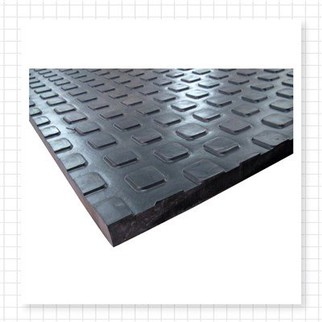
China Customized Kids Puzzle Mat Manufacturers Suppliers Factory - Wholesale Service (faithmat.com)
Ultimately, the most powerful element in nurturing infant creativity is the relationship with the caregiver. A creative environment is one that is safe, responsive, and filled with genuine enthusiasm. When a parent smiles at a child's enthusiastic splash in the tub or marvels at their first shaky scribble, they are affirming the child's internal impulse to create. This sense of unconditional acceptance builds the confidence and emotional security necessary for true creative risk-taking later in life. By providing diverse sensory experiences, encouraging hands-on manipulation, valuing process over product, and engaging in imaginative and musical play, we are not just helping infants pass the time; we are laying the groundwork for a lifetime of curiosity, innovation, and joyful self-expression. The masterpieces of tomorrow begin with the fearless, vibrant scribbles of today.