


The journey of parenthood is filled with milestones, and one of the most heartwarming is witnessing your baby's first explorations into the world of play. While newborns engage in sensory exploration from day one, the transition to more interactive and intentional play is a gradual process, one that you, as a caregiver, can gently nurture and guide. Teaching your baby to play isn't about formal lessons or structured activities; it's about creating a stimulating environment, responding to their cues, and offering simple, engaging interactions that foster their development across multiple domains.

In the earliest weeks, your baby's "play" is primarily sensory exploration. They learn by looking, listening, touching, and tasting. Your role at this stage is to provide a rich yet not overwhelming sensory landscape. Talk to your baby in soft, soothing tones, narrating your actions and describing their surroundings. Offer high-contrast visual stimulation through simple black and white toys or your own face held within their focal range. Introduce gentle tactile experiences through soft blankets and your loving touch. Respond to their coos and gurgles, mimicking their sounds and laying the foundation for conversational turn-taking. These interactions, though seemingly basic, are the seeds from which more complex play will eventually blossom.
As your baby grows, typically around 2-3 months, they become more alert and interactive. This is a prime time to introduce simple forms of play that encourage engagement and exploration. Offer toys with different textures, shapes, and sounds, allowing them to grasp (even if briefly) and mouth them. Mobiles with gentle movement and soft music can capture their attention and stimulate their visual and auditory senses. Engage in face-to-face play, making exaggerated facial expressions and encouraging them to smile or coo in response. Games like "peek-a-boo," even in its simplest form of covering and uncovering your face, introduce the concept of object permanence and elicit joyful reactions. Remember to follow their lead, observing their interest and disengaging if they become overstimulated or tired.
Between 4-6 months, your baby's physical and cognitive abilities expand significantly. They develop better head control, can reach for objects, and their vision continues to improve. Introduce toys that encourage reaching, grasping, and manipulating, such as rattles, soft blocks, and toys with different textures. Tummy time becomes more interactive as they can push up and explore their surroundings. Engage in simple cause-and-effect play, like shaking a rattle and letting them see the resulting sound. You can also start introducing simple action songs and finger plays, combining auditory and tactile stimulation. Continue to narrate your play, labeling objects and actions to support language development.
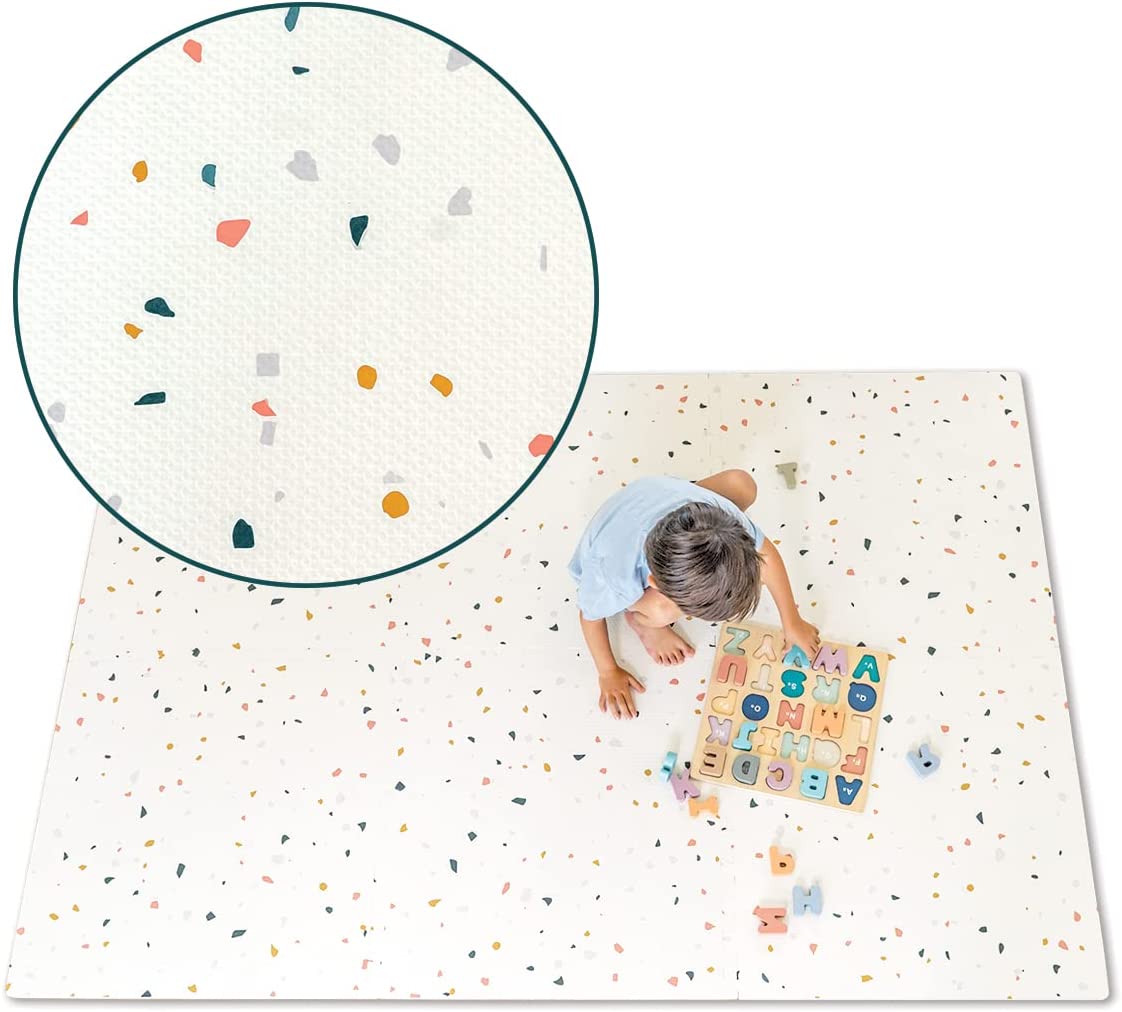
From 7-9 months, babies often begin to sit independently and their fine motor skills develop further. This opens up new avenues for play. Offer toys that can be banged, stacked, and nested. Introduce simple puzzles with large pieces and encourage exploration of different textures and shapes. Engage in back-and-forth play, rolling a ball to them or offering a toy and encouraging them to give it back. This reciprocal play fosters social interaction and understanding of turn-taking. Continue to expand on object permanence games, hiding toys under a blanket and encouraging them to find them.
As your baby approaches their first birthday and beyond, their play becomes increasingly complex and imaginative. They may start to engage in simple pretend play, such as babbling into a toy phone or pushing a toy car. Provide opportunities for open-ended play with items like blocks, stacking cups, and soft dolls, allowing them to explore their own ideas and creativity. Continue to read books together, pointing out pictures and labeling objects. Engage in simple imitation games, copying their actions and encouraging them to imitate yours. Remember that play is a crucial avenue for learning and development, fostering problem-solving skills, creativity, and social-emotional growth.
Throughout this entire journey, the most important aspect of teaching your baby to play is responsiveness. Pay close attention to their cues – their smiles, coos, gazes, and even their cries. Respond to their attempts to interact and engage. Your enthusiastic participation and encouragement will fuel their curiosity and desire to explore the world through play. Create a safe and stimulating environment, offer a variety of age-appropriate toys and experiences, and most importantly, enjoy the precious moments of connection and discovery as you guide your baby's joyful journey into the world of play.

China Customized Kids Puzzle Mat Manufacturers Suppliers Factory - Wholesale Service (faithmat.com)


