


Here's How To Build A Lasting Relationship With Your Furry Friend. Building a relationship with your dog takes time and effort. Although it's plenty of fun to bond with a new dog, your four-legged friend might not adore you instantly. Creating a positive relationship with your new dog will ensure she trusts you, has fun with you, and looks to you for guidance and comfort. Here's how to connect with your dog through training, cooperative care, and more.
Make Sure Your Dog's Needs are Being Met
Meeting all of your dog's basic needs will help you bond-and will keep your pup at her happiest and healthiest. Choose a high-quality diet appropriate for your dog's life stage and size.
Also ensure that your dog is getting adequate rest in a comfy dog bed or crate. Adult dogs may sleep up to 16 hours per day, and puppies may sleep even more. A well-rested pup will be more receptive to training and bonding with you.
Proper mental and physical enrichment will also help you build a strong relationship with your dog. Make sure your dog is getting an appropriate amount of exercise-both physical and mental. Taking your dog for regular walks, playing fetch, and trying out dog sports can help tire out high-energy dogs, while enrichment toys and training games will exhaust your dog mentally.
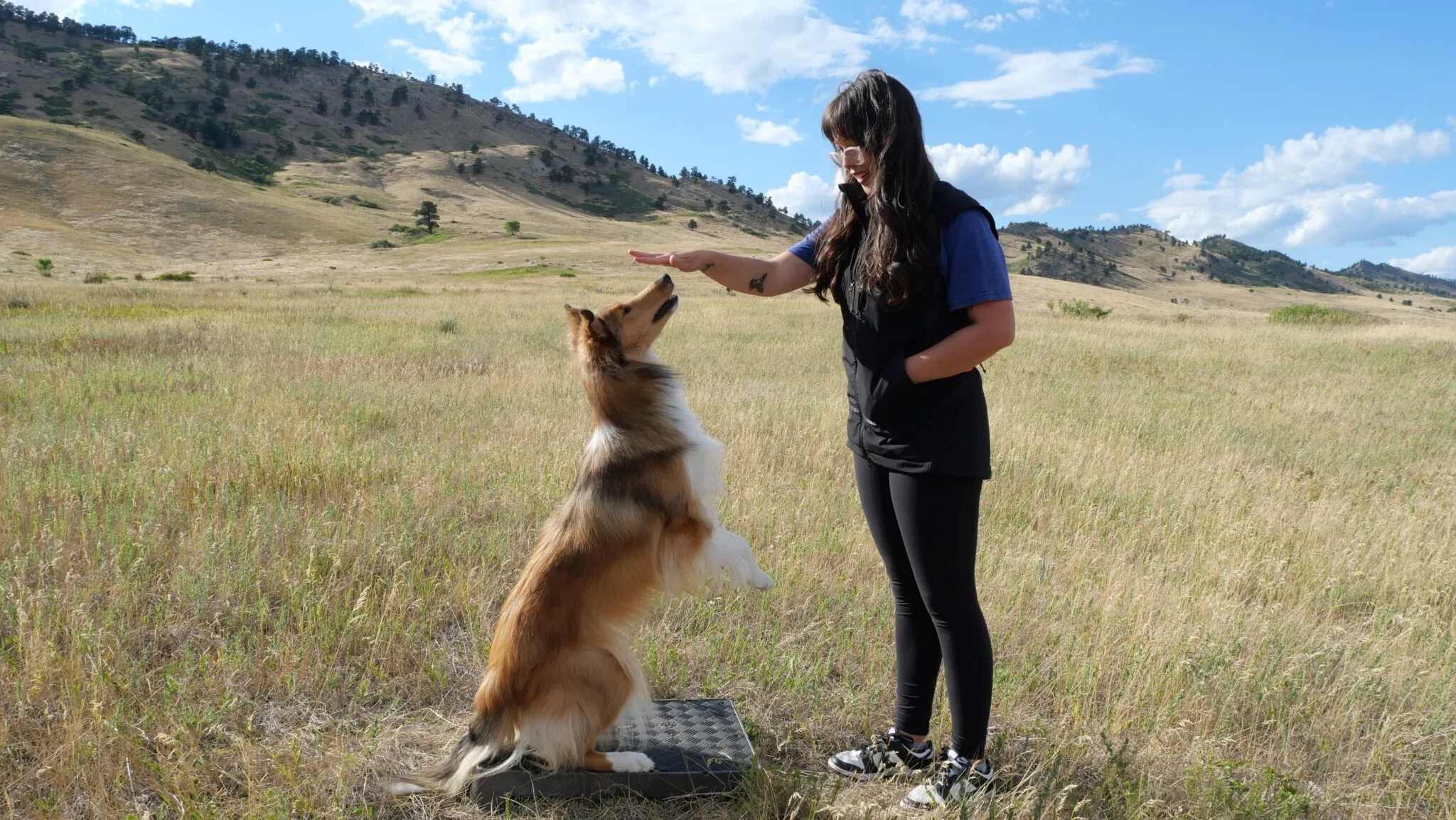
Bond with Your Dog by Creating a Routine
Creating a routine will keep things predictable for your dog, so she'll know what to expect from you every day. Sticking to a consistent routine will help build trust with a new dog, and she'll be more comfortable around you.
Try to feed your dog at approximately the same times every day, walk her at the same times, and play at the same times. Keeping to a consistent schedule will also help with housetraining if you're bringing home a pup who isn't potty trained just yet.

How to Build Trust with Your Dog
Building trust through choice-based training and consensual care will ensure your dog trusts you-and therefore wants to be around you!
Choice-based training like shaping allows dogs to have agency in their training. This type of training encourages pups to make their own decisions, since you won't be telling them or asking them to do any specific skill. Your dog will also get rewarded for incremental steps towards the end goal, which will keep her engaged.
Practicing cooperative care is an excellent way to bond with your dog. Instead of forcing nail trims, vet exams, or teeth brushing, you can turn grooming and other veterinary tasks into consent-based games where your dog decides to opt in or opt out. Try using a dog scratch pad for nail trims, or teaching your dog a chin rest to opt in and out of ear and eye exams.
Learning to read your dog's body language will help build trust. If your dog turns away, walks away, or gives any stress signals while you're petting her, snuggling with her, or playing with her, make sure to stop the interaction. Stopping the stressful interaction will help your dog understand that she can trust you to keep her comfortable, and will make sure she doesn't have to escalate her stress signals to snapping or biting.
You can also perform regular consent checks when petting your dog. If your dog opts out, respect her space. If she comes in for more pets and snuggles, you can keep giving her physical affection.
Make Training Fun
Not all training needs to be boring and focus on impulse control (although impulse control is important for a well-rounded dog). Game-based training is fun for your dog and can teach skills indirectly while helping you befriend your four-legged companion. Entertain your dog in the house by playing scent games, hide and seek, trying canine conditioning moves, and teaching new tricks. Make sure to reward often so your dog stays engaged!
If your dog enjoys training, trying dog sports like agility, rally, or canicross can also be fun ways to spend time together.


