Following directions is a fundamental skill, essential for children's success in school, at home, and in social interactions. However, for some children, processing and executing instructions can be challenging. By employing specific strategies and creating a supportive environment, we can significantly improve their ability to listen and follow directions effectively.
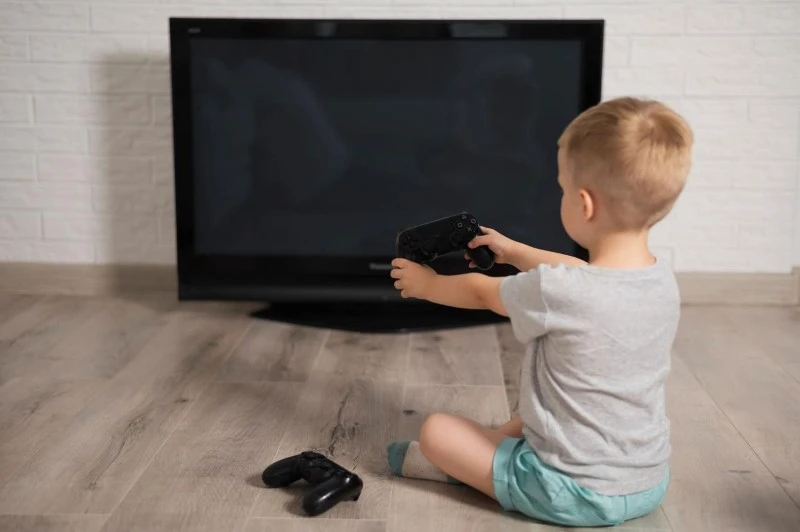
One of the most critical factors in helping children follow directions is minimizing distractions. The modern world is filled with auditory and visual stimuli that can easily overwhelm a child's attention. Noises from the television, radio, or household appliances can create a cacophony that makes it difficult for them to focus on spoken instructions. Similarly, visual distractions can pull their attention away from the task at hand. Before giving directions, it's crucial to create a calm and quiet environment. Turning off unnecessary noise and taking the child to a quieter space can significantly improve their ability to listen and comprehend. Physically positioning yourself close to the child and bending down to their level can further reduce the impact of background noise and establish a direct connection.
Before delivering instructions, it's essential to signal to the child that it's time to listen. This can be achieved by calling their name and waiting for a response, using a simple phrase like "time to listen," or employing a visual cue, such as pointing to your ear. Asking the child to repeat the direction after you say it reinforces their understanding and encourages active listening.
Clear and concise communication is paramount. Speaking slowly and enunciating carefully ensures that the child can process the information accurately. Emphasizing the key elements of the instruction, such as "bring me your ducky blanket," helps them identify the essential task. Starting with single, straightforward directions allows the child to build their comprehension and execution skills gradually.
Incorporating actions and gestures can significantly enhance understanding. Visual cues provide context and make the instructions more concrete. For example, pretending to wash your hands while saying, "go wash your hands," reinforces the meaning and facilitates comprehension. If the child still struggles to understand, simplifying the language or demonstrating the desired action can be helpful.
Patience is a vital component of this process. Children often require more time to process and execute instructions than adults. Allowing at least five seconds for them to understand and begin the task is essential. Avoid rushing them or interrupting their concentration. Once they have successfully completed a single direction, you can gradually introduce two-step instructions, such as "get your shoes and open the door." This progression allows them to build their cognitive capacity and develop the ability to follow more complex sequences.
If concerns arise regarding a child's ability to follow directions or their overall communication skills, seeking professional guidance is recommended. Speech-language pathologists and audiologists are trained to assess and address these challenges. Parents can consult with their doctor, public health nurse, or local health center for referrals and support. Resources like the Talk Box parent guide can also provide valuable insights and strategies for creating language-rich environments.
In conclusion, helping children follow directions is a process that requires patience, understanding, and consistent effort. By minimizing distractions, using clear communication, incorporating visual cues, and allowing sufficient processing time, we can empower children to become confident and capable listeners and followers. This skill is fundamental for their academic, social, and personal development, laying the foundation for future success.
China Customized Kids Puzzle Mat Manufacturers Suppliers Factory - Wholesale Service (faithmat.com)