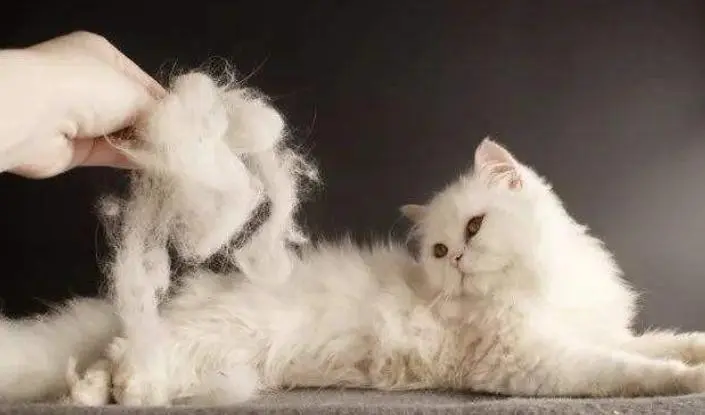
Dealing with a shedding cat can be a bit challenging, but here are some steps you can take to manage the situation:
Regular Brushing: Brush your cat's fur regularly to remove loose hair before it falls out. This will not only reduce the amount of hair around your home, but it can also help prevent hairballs in your cat. The type of brush you should use depends on your cat's fur type.
Provide a Balanced Diet: A nutritious diet can promote a healthy coat and reduce shedding. Make sure your cat's diet is rich in proteins and omega-3 fatty acids, which are essential for healthy fur and skin.
Keep Your Cat Hydrated: Proper hydration can help keep your cat's skin healthy and prevent dryness, which can lead to increased shedding. Always ensure your cat has access to fresh water.
Reduce Stress: Stress can cause cats to shed more than usual. Try to provide a calm and stable environment for your cat, and engage them in play activities to help reduce stress.
Regular Vet Check-ups: If your cat's shedding seems excessive or sudden, it could be a sign of a health problem. Regular check-ups with your vet can help detect any potential issues early.
Flea and Parasite Control: Fleas and other parasites can cause your cat to scratch and shed more hair. Regular use of vet-recommended flea and parasite treatments can help prevent this.
Remember, it's normal for cats to shed, especially during certain seasons. However, if you're concerned about the amount your cat is shedding, it's always best to consult with a vet.